Awareness · Access · Opportunity
Care becomes meaningful when it reaches the people who need it most.
Our social work focuses on the barriers that surround hygiene — limited information, stigma, affordability, distance and lack of opportunity.
Why This Work Matters
Hygiene challenges are rarely isolated
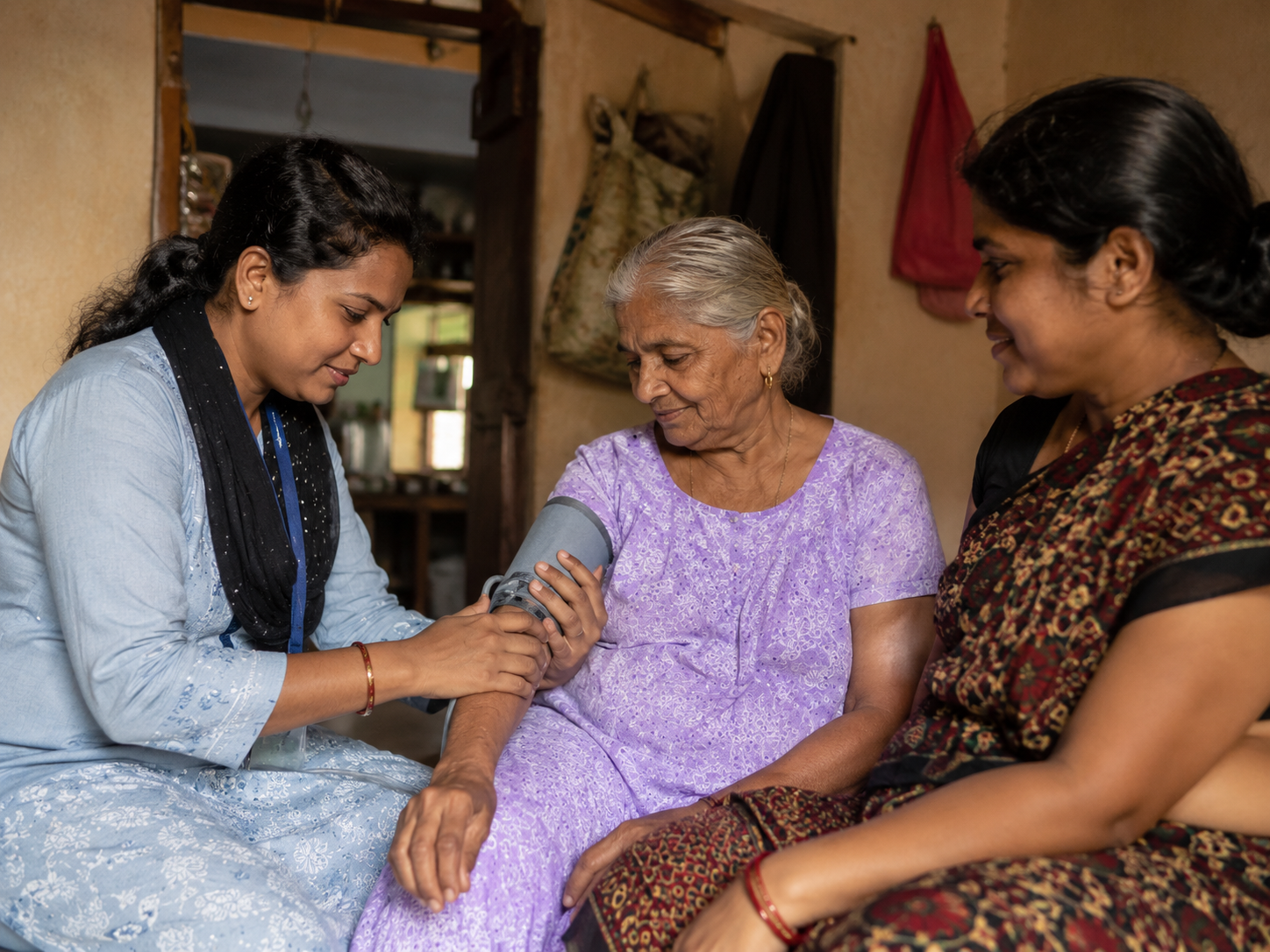
A lack of access or information can affect school attendance, confidence, mobility, family wellbeing and economic participation. Social stigma may prevent women and girls from asking basic questions, while affordability and distribution gaps can make suitable products difficult to obtain.
Our role is to contribute practical solutions. We combine awareness with access, and access with local participation. We believe the most effective initiatives are built with communities, adapted to context and sustained through trusted local partners.
Our Social Impact Model
Four pillars that shape every program
Create safe, age-appropriate conversations around menstrual health, personal hygiene, product use and responsible disposal.
Support product availability through community distribution, institutional supply, subsidised initiatives and partner networks.
Create pathways for women to participate through employment, training, outreach, local distribution and leadership.
Work with NGOs, schools, health professionals, CSR teams, public bodies and community representatives to increase relevance and reach.
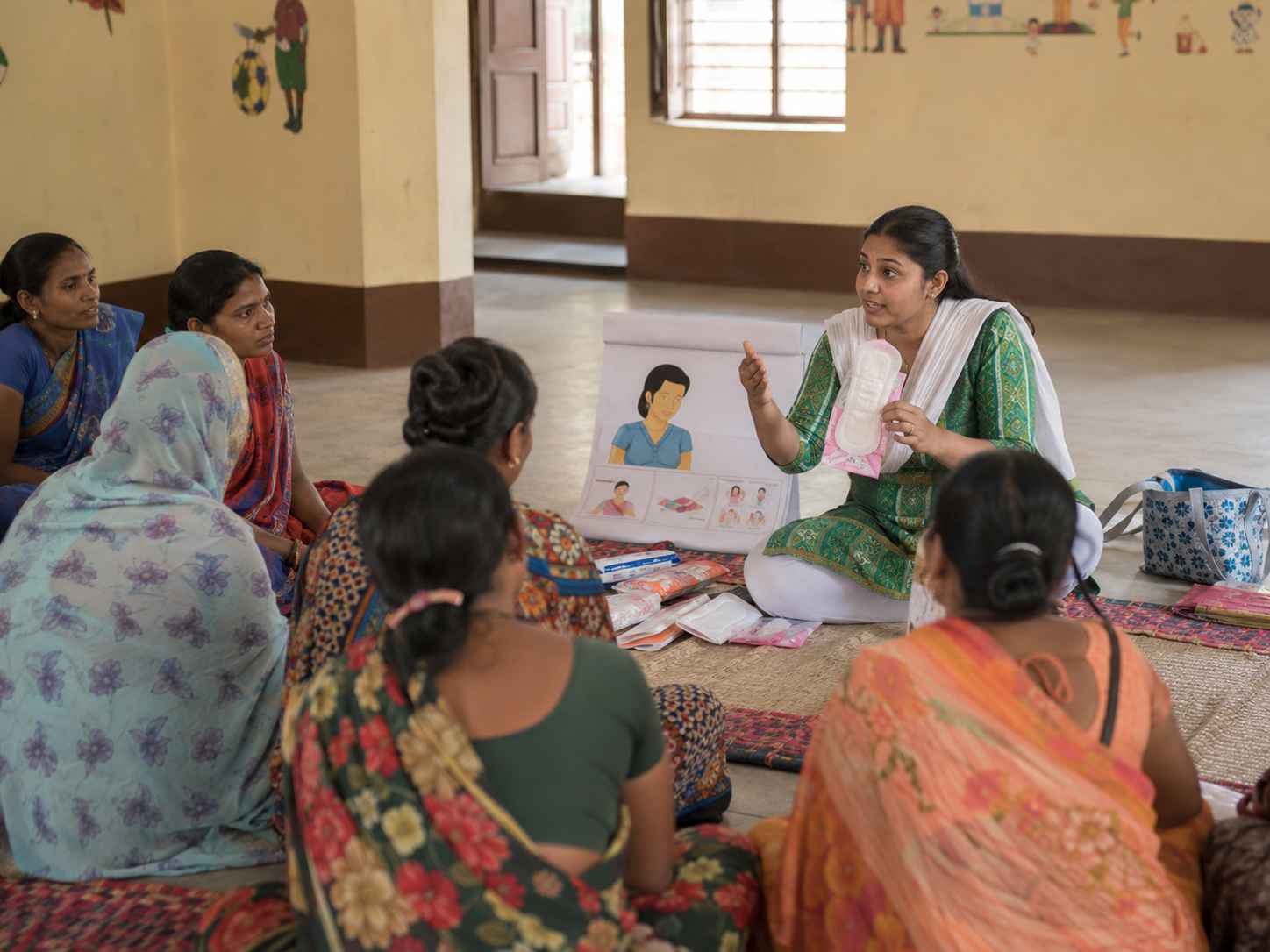
Menstrual Health Awareness
Replacing silence with knowledge and confidence
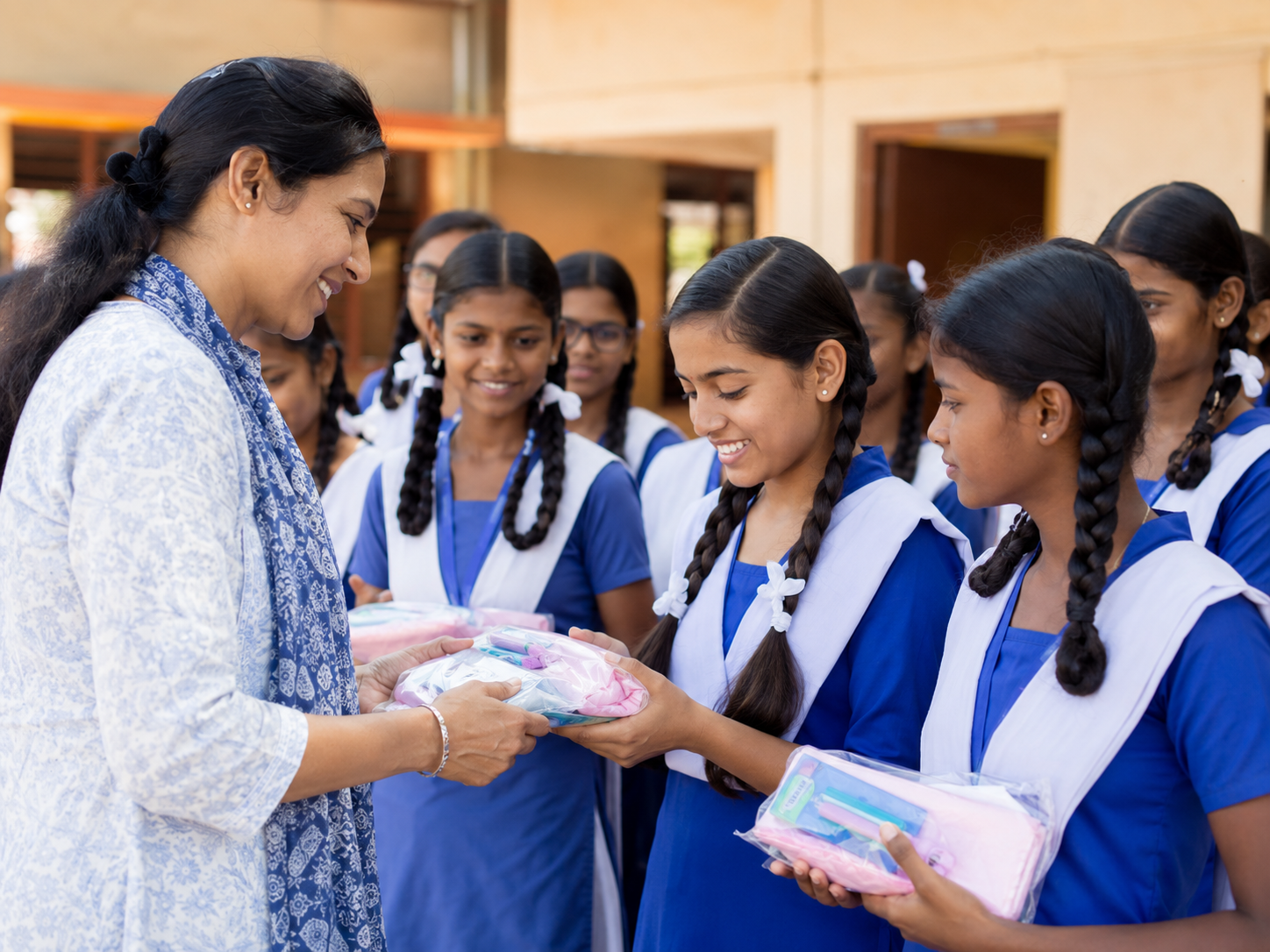
Our awareness programs are designed to make menstrual-health conversations clear, practical and respectful. Sessions may cover understanding the menstrual cycle, safe product use, hygiene practices, recognising when medical support may be needed, responsible disposal and the importance of supporting girls and women without stigma.
- School and college awareness sessions
- Community workshops for women and adolescent girls
- Orientation for parents, teachers and local influencers
- Educational material in accessible language
- Referral guidance developed with qualified health professionals
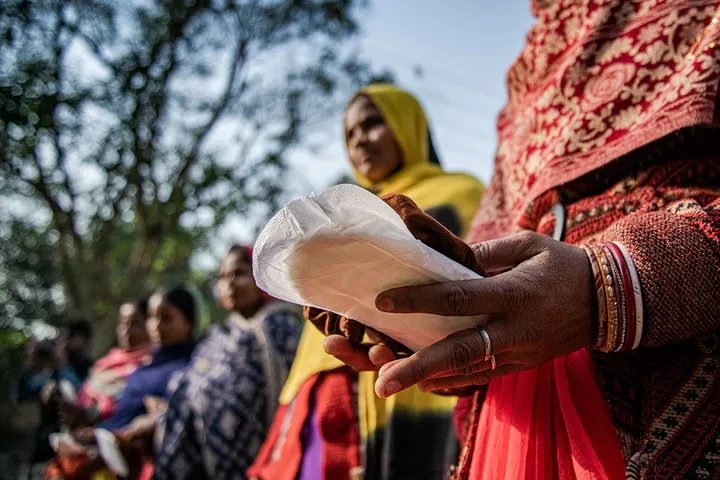
Hygiene Access Initiatives
Making dependable care easier to obtain
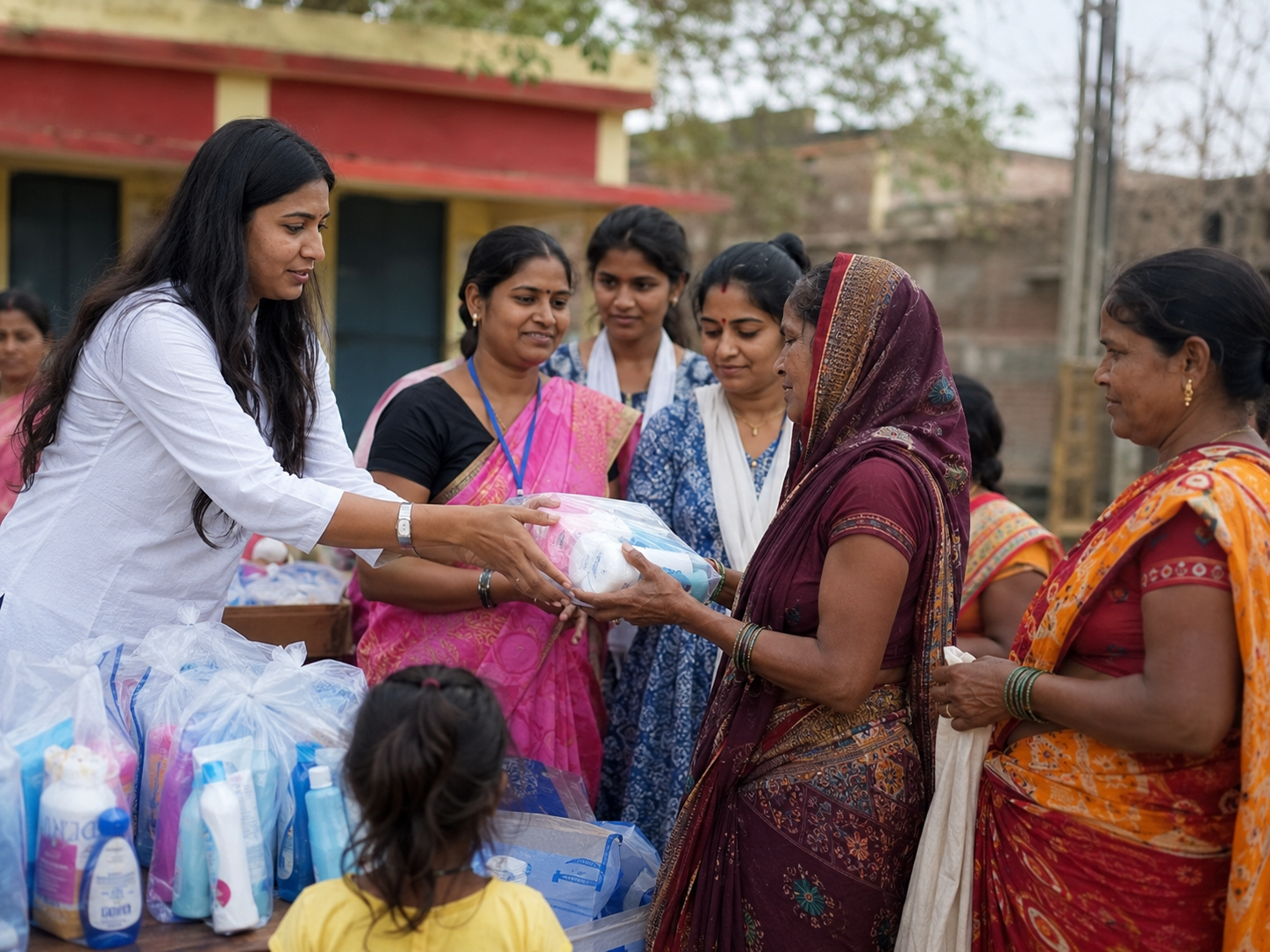
Awareness can only create lasting change when suitable products are available. We explore partnerships that improve access through institutional procurement, community distribution, outreach kits, subsidised supply and targeted support for groups facing financial or geographic barriers.
- Product support for selected community programs
- Institutional supply to hospitals, schools, NGOs and care facilities
- Distribution through trusted local partners and women-led networks
- Support for emergency, relief or special outreach requirements
- Context-based programs designed with implementation partners
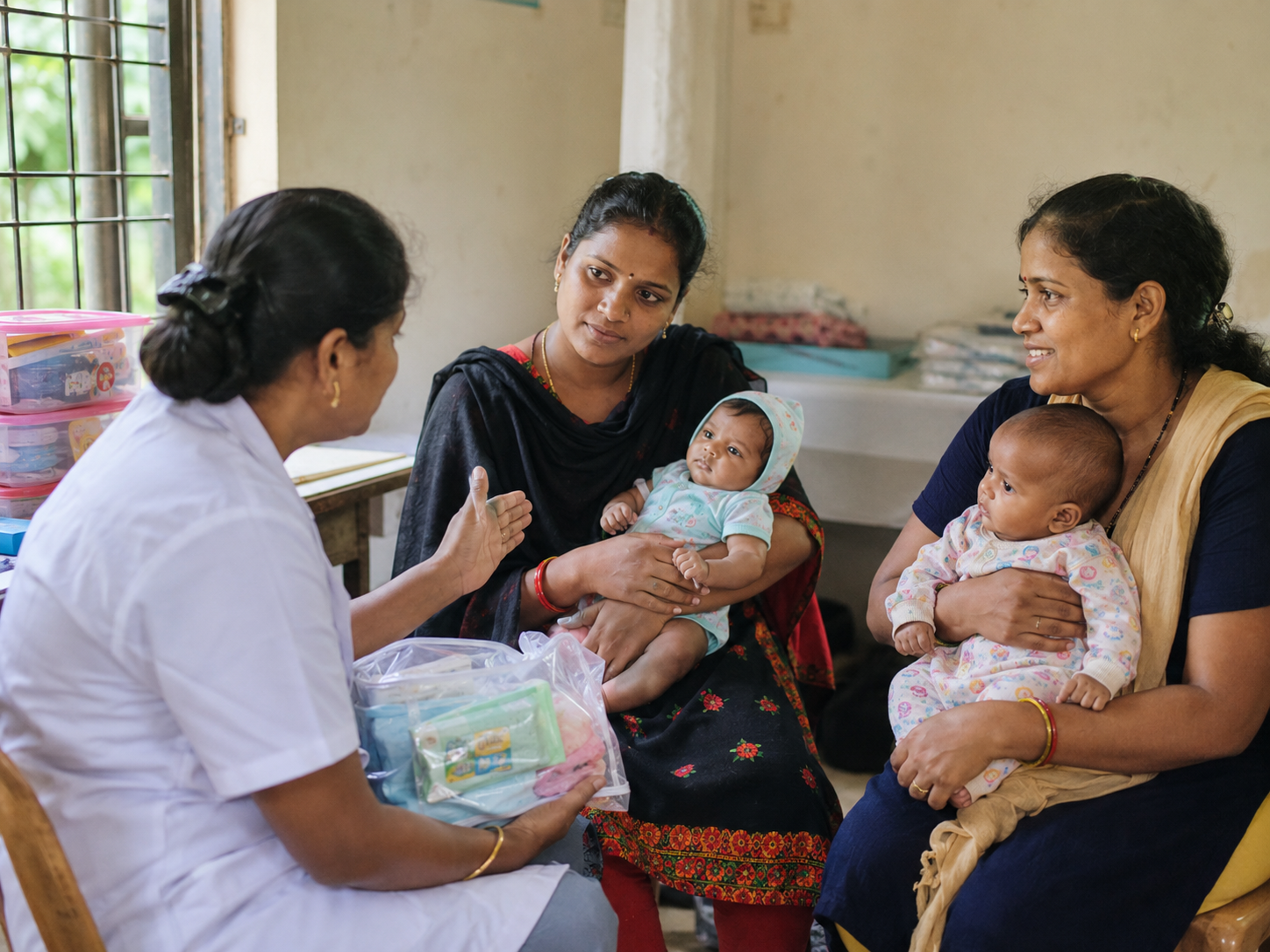
Women's Livelihoods & Skilling
From beneficiaries to participants and leaders
Women should not be seen only as recipients of care. We aim to create opportunities for women to participate across production, outreach, distribution and program coordination. Through training, mentoring and workplace growth, we seek to support stable incomes, practical skills, confidence and greater decision-making power.
- Women-first hiring where roles and local conditions allow
- On-the-job training and process skills
- Community educator and outreach opportunities
- Support for women-led distribution or micro-enterprise models
- Growth pathways based on capability and ownership
Partnerships With Institutions & Public Bodies
We welcome opportunities to support public-health and community programs
Depending on the requirement, our role may include product supply, awareness support, field coordination, educational material or participation in a wider partner-led initiative.